
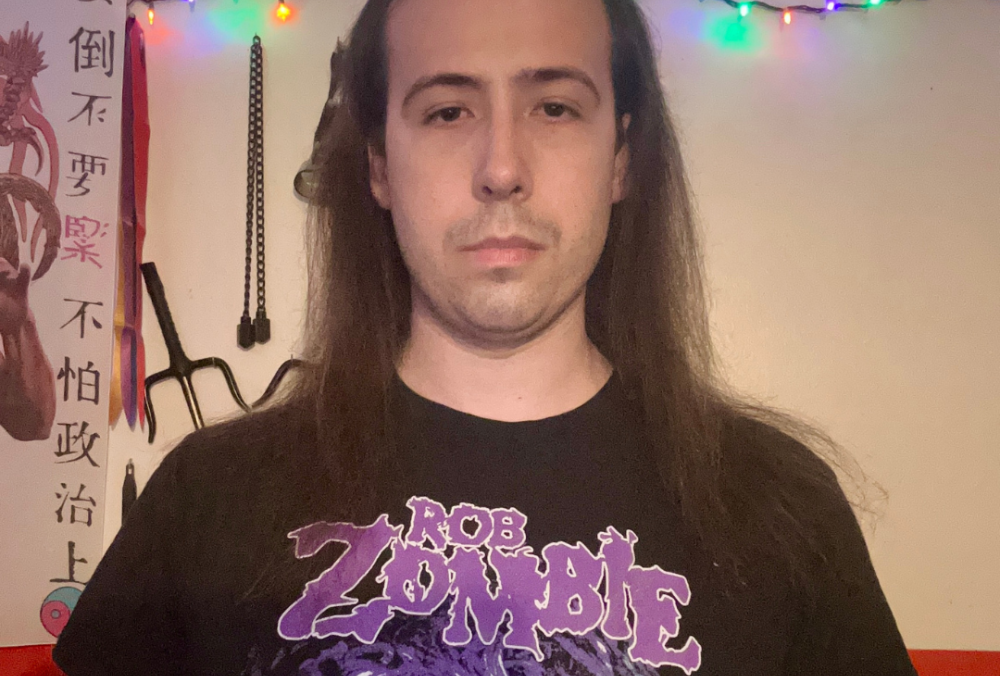
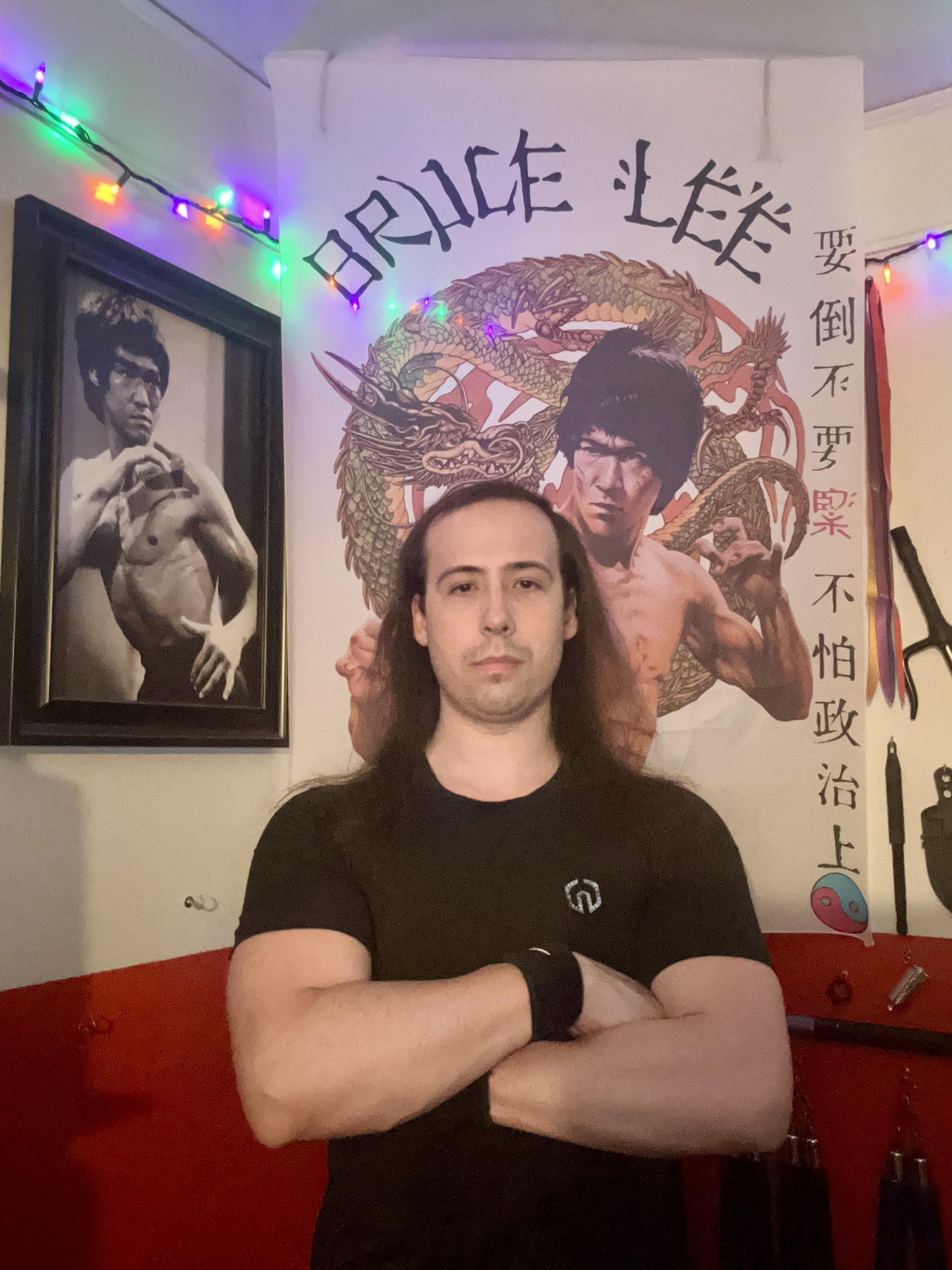
Born in Tarzana and raised in the raw quiet of California City, KillerJ — born Jarred Nelson — didn’t find music. Music found him, the way survival instincts do. What started as journal entries at eighteen, words scrawled to make sense of emotional abuse and years of being bullied in silence, eventually became lyrics. And those lyrics became a calling. Influenced by Rob Zombie‘s uncompromising creative vision and grounded by the discipline of an Eagle Scout, KillerJ is building something deliberate — a body of work rooted in honesty, aimed at anyone who’s ever felt invisible. We sat down with the emerging California lyricist to talk about where he comes from, how he writes, and why he refuses to stay quiet.
1. Growing up in Tarzana and the Mojave Desert, what moments from that environment still influence the way you write today? It wasn’t where I grew up, it’s how I grew up. The Mojave Desert was rough as a child — not knowing if anyone would believe me about being emotionally abused. When I was seventeen to eighteen, I started writing in my journal. I noticed some of the words rhymed and I started writing lyrics of my pain in different ways. Most of all, it’s a type of therapy for me.
2. At what point did writing shift from something personal into something you saw as a real career path? Knowing there are others out there who have it worse than me. I want to inspire those who feel trapped in their minds. Writing my feelings as lyrics has changed my way of life and way of thinking.
3. How did your experiences with bullying shape both your mindset and the themes you explore in your lyrics? It shaped the anger and depression I had — wanting someone to help me, and no one ever did. So I want to reach those who hear my lyrics and give them the strength to speak up and help others in need. Don’t lock yourself in a closet. Walk through and speak out.
4. When you sit down to write, what usually comes first for you — an idea, a feeling, or a specific story? The feelings of pain from my childhood through high school — abused by a parent, bullied for no reason, betrayed by an ex and a longtime friend. That’s what I put into my lyrics.
5. How do you turn personal experiences into lyrics that feel both specific to you and relatable to others? By remembering the times I was hurt, ignored, and looked at as an unwanted child — an unwanted person in this world.
6. What does your writing process look like from the initial spark to a finished piece? Verse, pre-chorus, chorus, and outro — that’s how I structure my lyrics now, depending on who’ll use them.
7. How do you decide when a lyric is honest enough or strong enough to keep in a final version? After writing, I read it over three times — checking if I missed anything or need to sharpen it.
8. In what ways have your past jobs and your Eagle Scout experience influenced your discipline as a lyricist? Boy Scouts taught me leadership and how to work with others — that hard work brings real rewards. Past jobs taught me to try new things, make mistakes, and learn from them. My last job especially taught me patience and how to truly listen.
9. You’ve cited Rob Zombie as an inspiration — what aspects of his creative approach resonate most with your own goals? His way of thinking. He writes his music and directs his films knowing exactly what he wants — but he doesn’t do it alone. That balance of vision and collaboration is something I respect.
10. As you build your career, what kind of impact do you hope your writing has on listeners and collaborators? To never give up on yourself. Take that first step forward — toward bettering yourself and finding a brighter future.