
We’ve Got A File On You features interviews in which artists share the stories behind the extracurricular activities that dot their careers: acting gigs, guest appearances, random internet ephemera, etc.
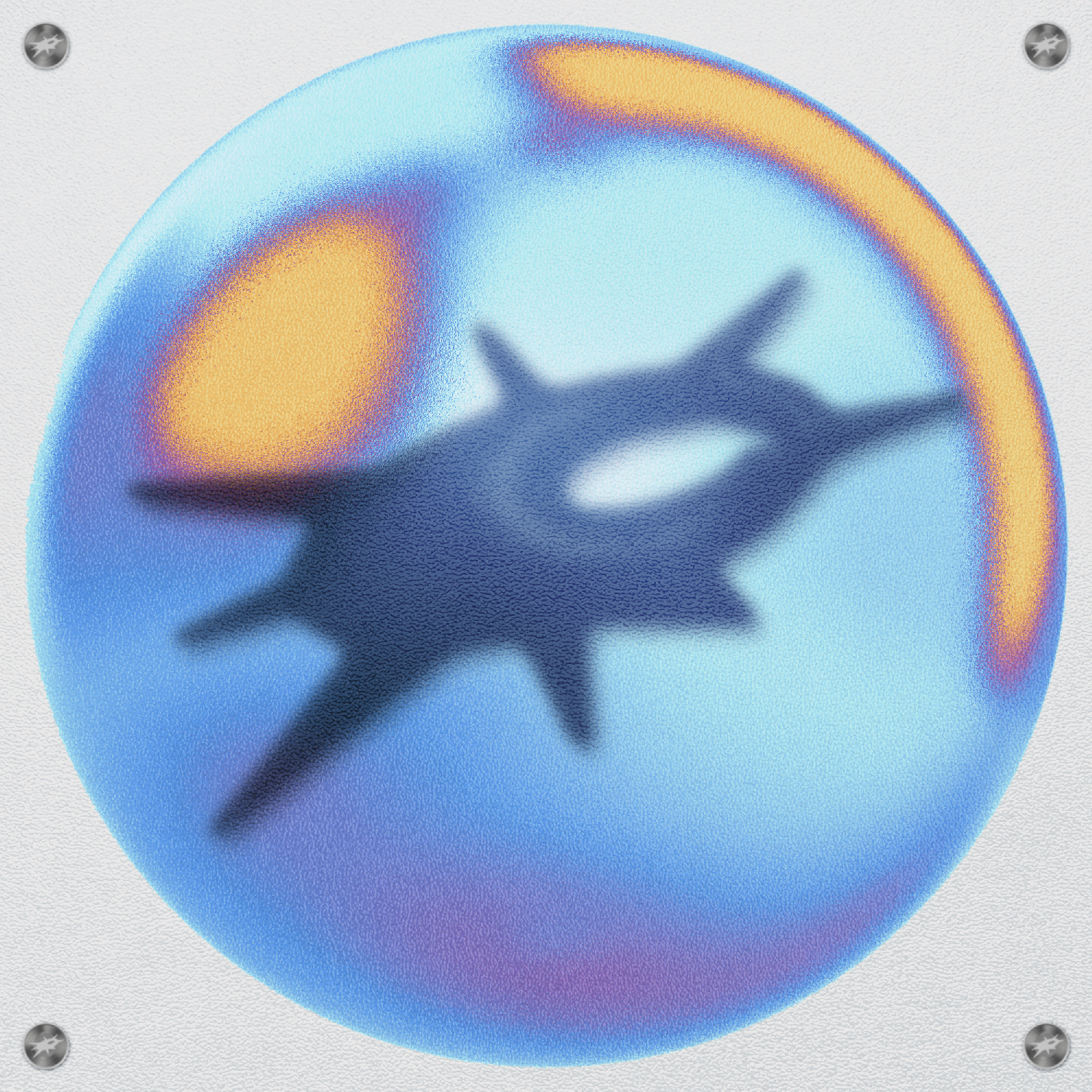
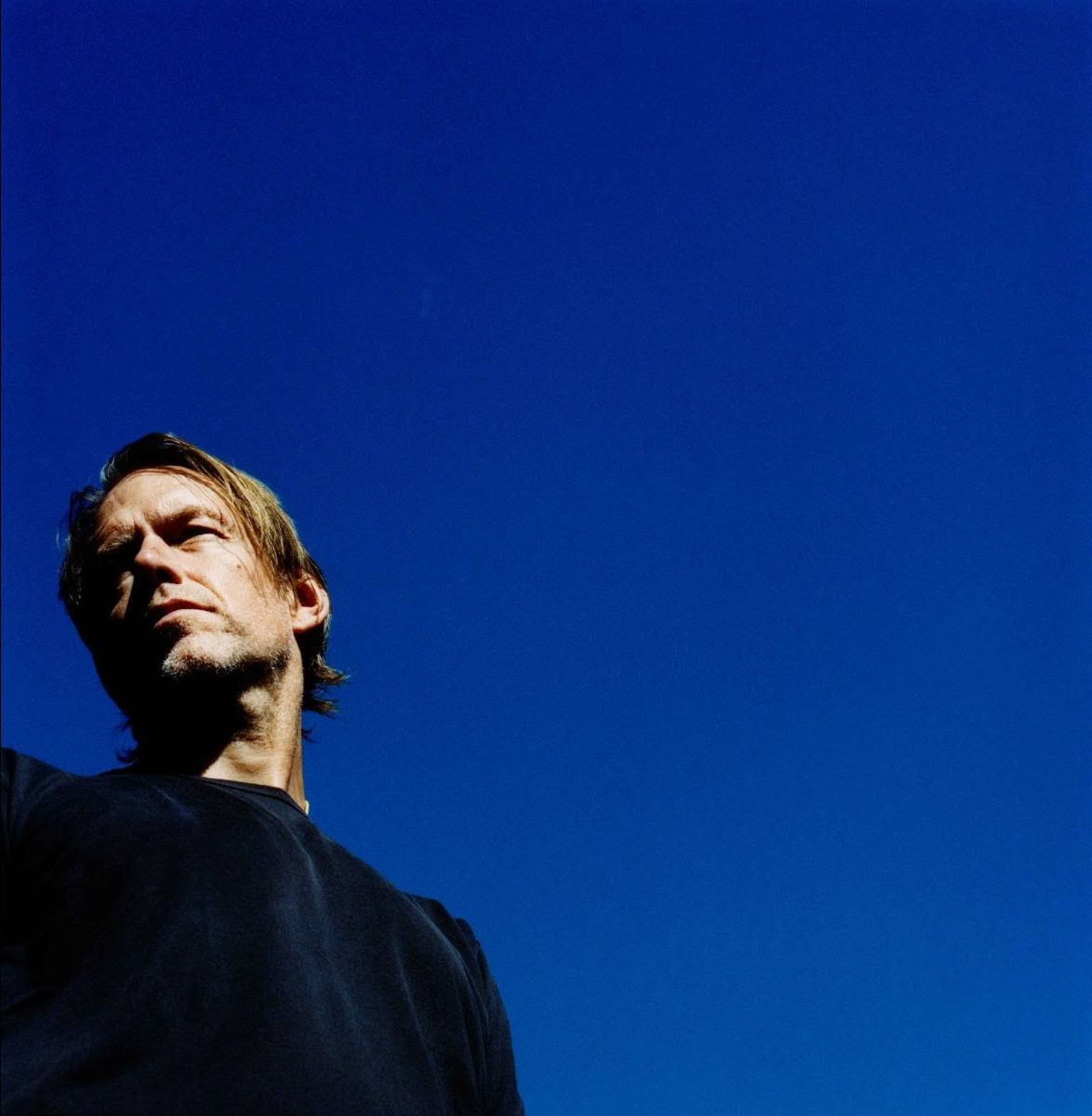
Blue Morpho is the first album Ed O’Brien has released under his own name, but it isn’t his first solo project. When the Radiohead guitarist finally took a long enough break from the band to finish his debut solo LP — 2020’s Earth, released under the name EOB — he immediately regretted waiting so long to finish the songs. To his ears, the initial burst of inspiration that yielded the music seemed to have dimmed sometime during the album’s seven-year gestation process.
Things got worse from there. Earth was released into the early weeks of the COVID-19 pandemic. Canceling tour dates was a disappointment, but the weather was nice in the UK, and life was mostly pleasant. Not until more lockdowns arose in the fall and winter did O’Brien find himself alone with his thoughts, spiraling into the deepest depression of his life. He spent the better part of a year working through his dark night of the soul, a period that led to personal transformation and fueled the creation of Blue Morpho.
A New Creative Chapter
Out today, the album matches O’Brien with producer Paul Epworth and a crack team of collaborators, including Dave Okumu, Dan See, Yves Fernandez, and more. Estonian composer Tõnu Kõrvits lends gorgeous string arrangements to two tracks, Shabaka Hutchings plays a specially tuned flute on one, and O’Brien’s Radiohead bandmate Philip Selway twice mans the drum kit. Together, they bring O’Brien’s visions to life on tracks that range from grandiose groove-based excursions to contemplative instrumentals that lean into stillness.
It was a pleasure to discuss the album with O’Brien via video chat from his home in Wales, where he spends most of his time these days, immersed in nature as often as possible. Later on, we also revisited some memorable Radiohead moments and poked around the nooks and crannies of O’Brien’s career outside the band.
Finding Grace in the Dark
You made this album while coming out of a deep depression. This was during COVID lockdown — was it the sort of commonplace malaise we were all feeling, or was there something more going on?
O’BRIEN: It was more. It wasn’t because of the COVID that I went into the dark place. It was more to do with the fact that COVID actually, for all of us, stopped us in our tracks. The first lockdown was, well, I don’t know what it’s like for you guys, but the weather was sunny here. We were all adjusting. There was concern that it was a novelty. It was [during] the second one that I really went down. And it was mainly because I really wasn’t able, like all of us, to do anything. And it stopped me in my tracks.
For the first time in my life, I realized I wasn’t busy. And I’d deliberately been keeping busy, or subconsciously keeping busy, to avoid processing certain things, particularly my childhood and that time. Really what it was, at the bottom, my body basically — you have these serendipitous moments when you’re reading the perfect thing or you hear the perfect song, and you suddenly see something. I was reading the perfect book for where I was and I realized that I hadn’t processed my experiences. And my body was basically packing in that sort of depression and said, “You have to heal.”
The Healing Power of Nature
It sounds like connecting with nature is a big part of what helped you figure that out.
O’BRIEN: Huge, huge. I knew I had to sit in the fire, sit in the dark. But for me, that’s where — birdsong in the morning and walking in nature, I felt this sense of grace. There’s this thing that, when you sit in the dark, I felt, and I think a lot of people have found this, that you get to a certain point and you feel this other thing — grace, divine spirit, whatever you want to call it. And for me, that’s in abundance in nature. So I would see a bird, and I would connect with it. And it would put a smile on my face, and this deep sense of joy and this deep sense of connection with all that is.
So what was very helpful for me was to frame it as a dark night of the soul, very similar to Dante’s Inferno. Midway through life, I just lost my way. Human beings have been doing this for thousands of years, and sometimes we call it in our modern society “midlife crises,” “breakdowns,” “depression.” But I very much felt that I was part of this very, very human journey. And my job was to sit in it. What are the lessons learned? To feel the discomfort, to feel the pain, all these things, but to know that I was gonna be OK and I was OK. And I came out the other side completely. I’m so glad I went through that experience because I’d have never had this connection with nature and spirit and grace in the way that’s so central to my life now.