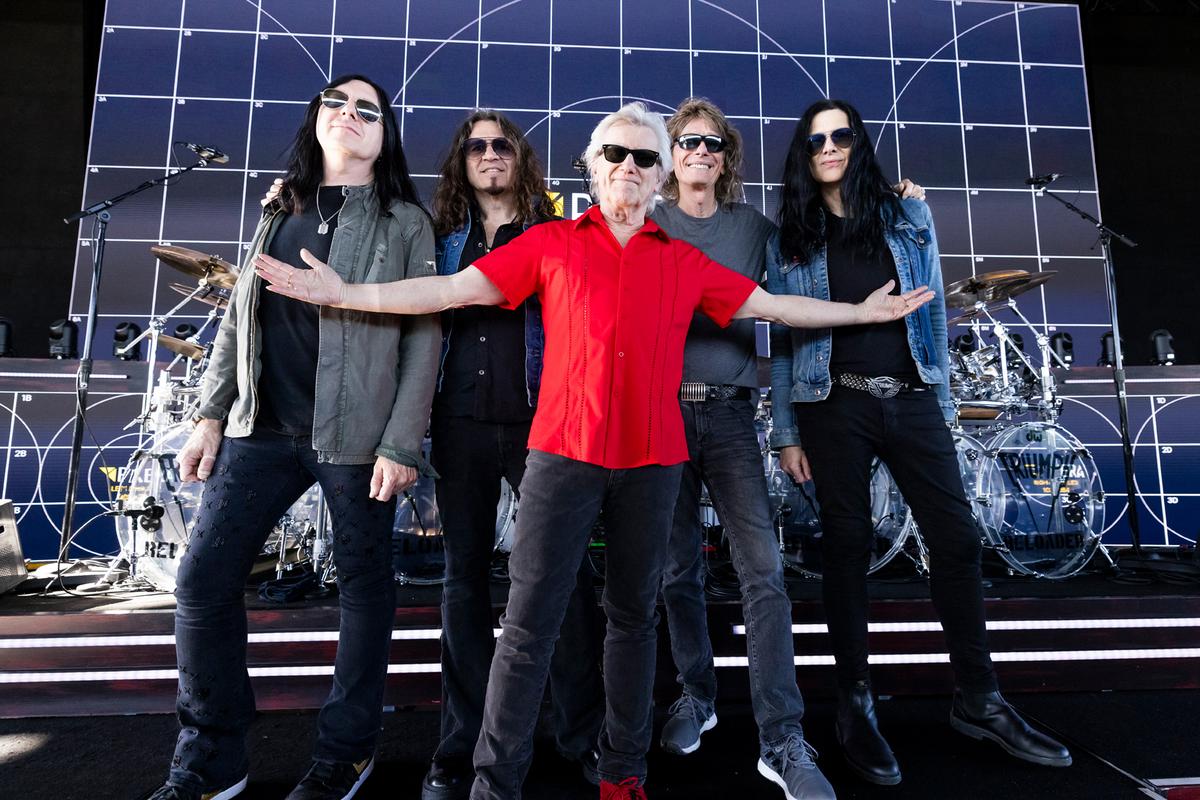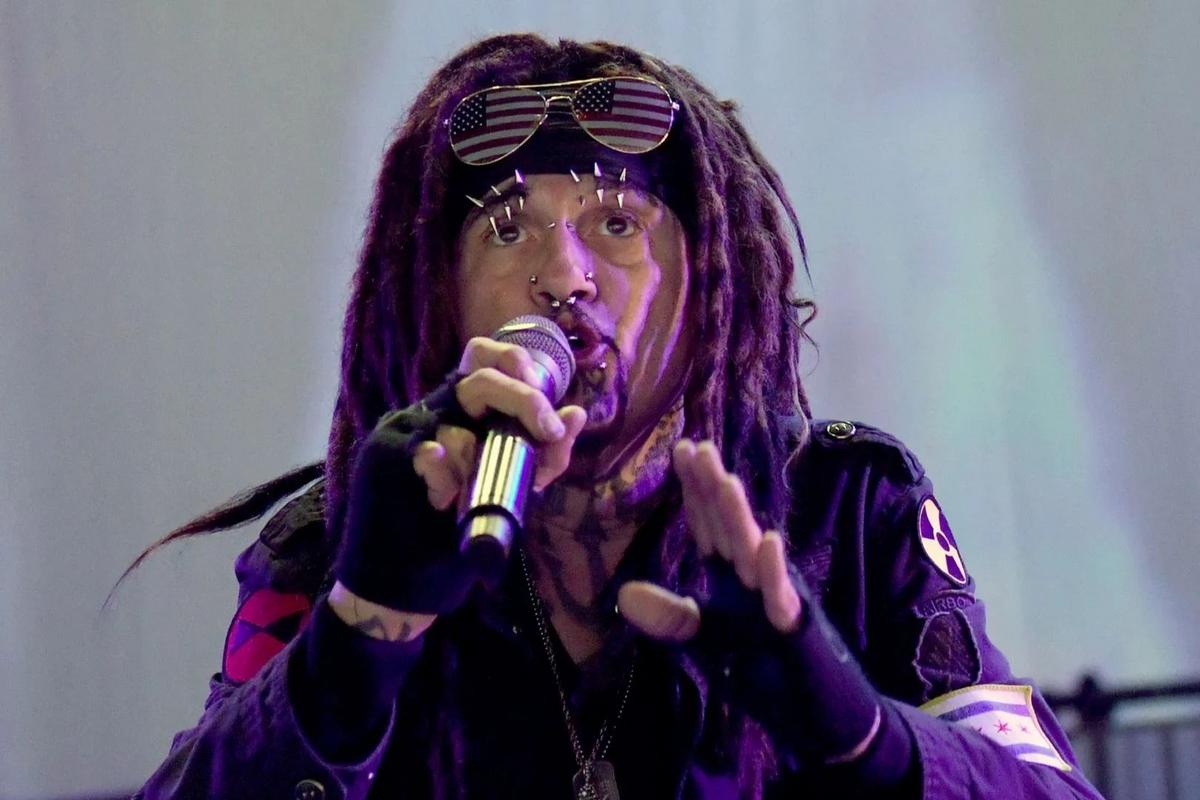

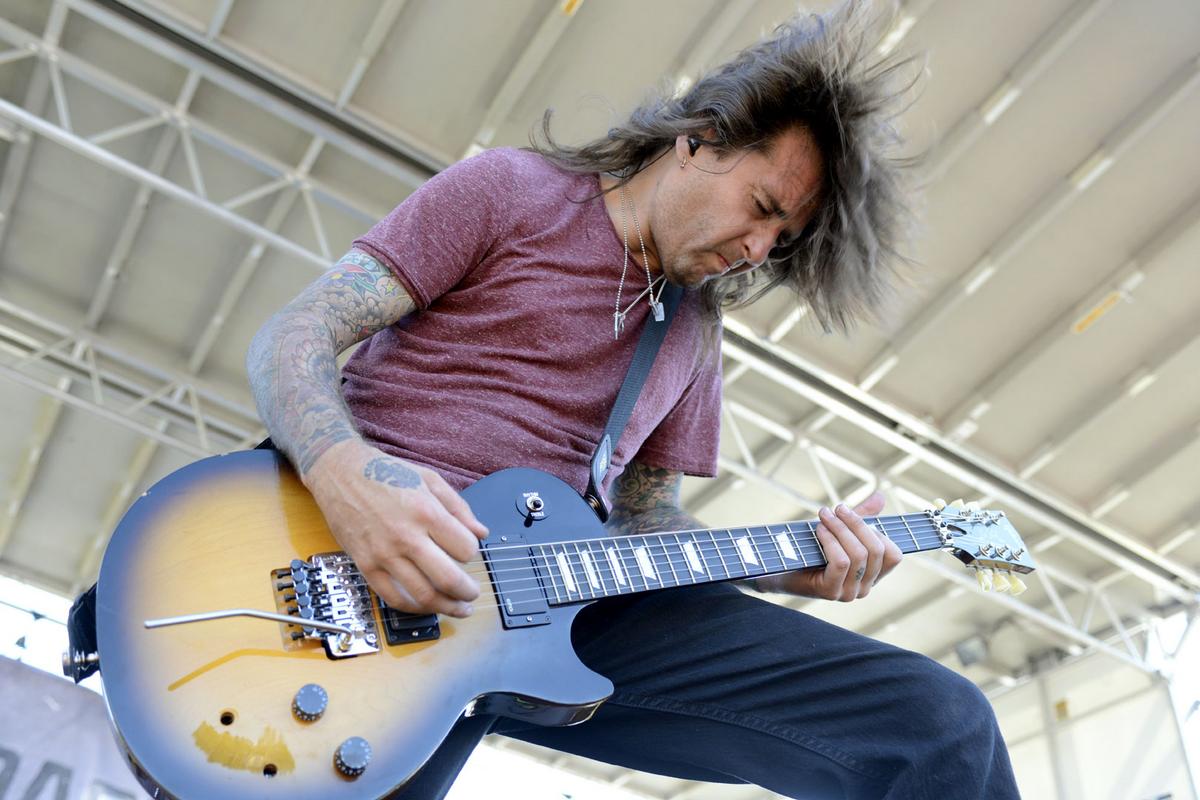
For a band as storied as Darkest Hour, the release of their eleventh studio album, Suffer Divine, represents more than just another entry in a prolific discography. It is a testament to the band’s endurance and their refusal to stagnate. In a recent conversation, guitarist Mike Schleibaum opened up about the philosophy behind the record, the intricate guitar work that defines its sound, and the band’s ongoing evolution in the modern metal landscape.
The Creative Vision Behind Suffer Divine
At the heart of Suffer Divine lies a complex exploration of adversity. Schleibaum notes that while the title plays on the Christian concept of divine suffering, the band approaches the theme from a secular, humanistic perspective. For Darkest Hour, the album serves as a meditation on the necessity of struggle—the idea that if something isn’t challenging, it may not be worth pursuing. This ethos has kept the band relevant for decades, pushing them to constantly redefine their sound while staying true to their melodic death metal roots.
Schleibaum explains that the songwriting process was deeply collaborative, with vocalist John Henry acting as a vital partner in translating their shared experiences into universal expressions of pain and resilience. “We wanted to make a record that spoke to people who have been through and who have had to survive,” Schleibaum says, emphasizing that the album functions as an exploration of the internal battles we all face.
Guitar Heroics and Sonic Evolution
A significant portion of the conversation centered on the technical and emotional depth of the guitar work on the new record. Schleibaum is quick to praise his bandmate, Nico Santora, for bringing a new level of emotive playing to the group. He highlights the track “The Unforgiving Hand” as a prime example, noting its unconventional, two-minute-long opening solo that mirrors the structural complexity of Pink Floyd.
Regarding his own contributions, Schleibaum points to “Everyday Horrors” as a personal favorite. The track, which underwent significant rearrangement during the recording process, captures the aggressive, thrash-inspired energy the band sought to channel. “We wanted something that really felt Exodus, really felt Slayer,” he recalls. The result is a high-octane performance that stands as a highlight of the album.
Darkest Hour, “Suffer Divine”
The band’s commitment to their craft extends beyond the studio. Schleibaum acknowledges that while the industry is filled with digital noise and shifting trends, the core of Darkest Hour remains the same: a group of lifers dedicated to the art of heavy metal. By embracing their identity as a melodic death metal band, they have managed to create a record that feels both nostalgic and refreshingly modern.
Looking Ahead
As the band reflects on their journey, Schleibaum remains focused on the future. He finds inspiration in the current wave of hardcore and punk emerging from Washington, D.C., and Baltimore, noting that the energy of younger bands keeps him feeling connected to the scene. Ultimately, Suffer Divine is not just a collection of songs; it is an invitation for listeners to confront their own stories of redemption. As the album closer suggests, the way the story ends is ultimately up to the listener to decide.