
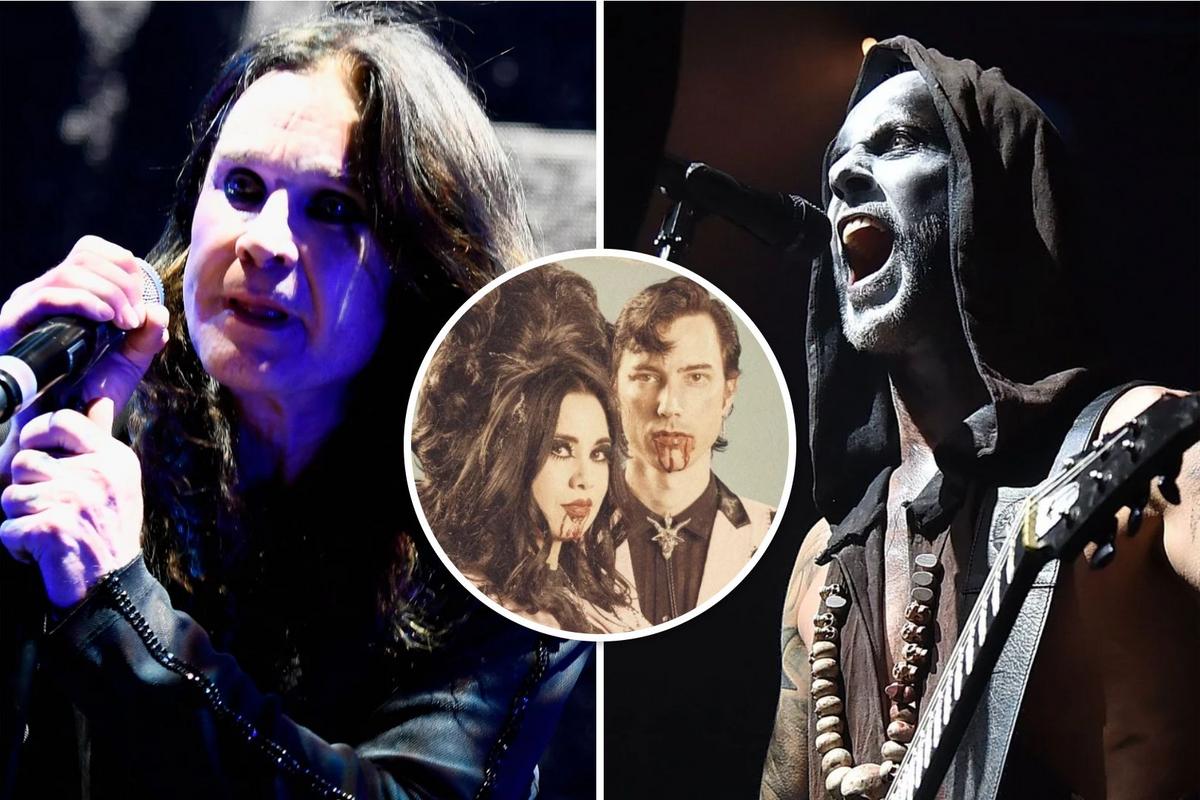
Satanism, or at least accusations of it, has always been part of the fabric of rock and metal. Yet, it still comes as a surprise when acts like Twin Temple are dropped from tour dates due to their “Satanic imagery.” Recently, outlaw country artist Charley Crockett removed the doo-wop revival act from his tour after learning of their dark leanings, sparking a conversation about the long-standing tension between extreme artistic expression and public perception.
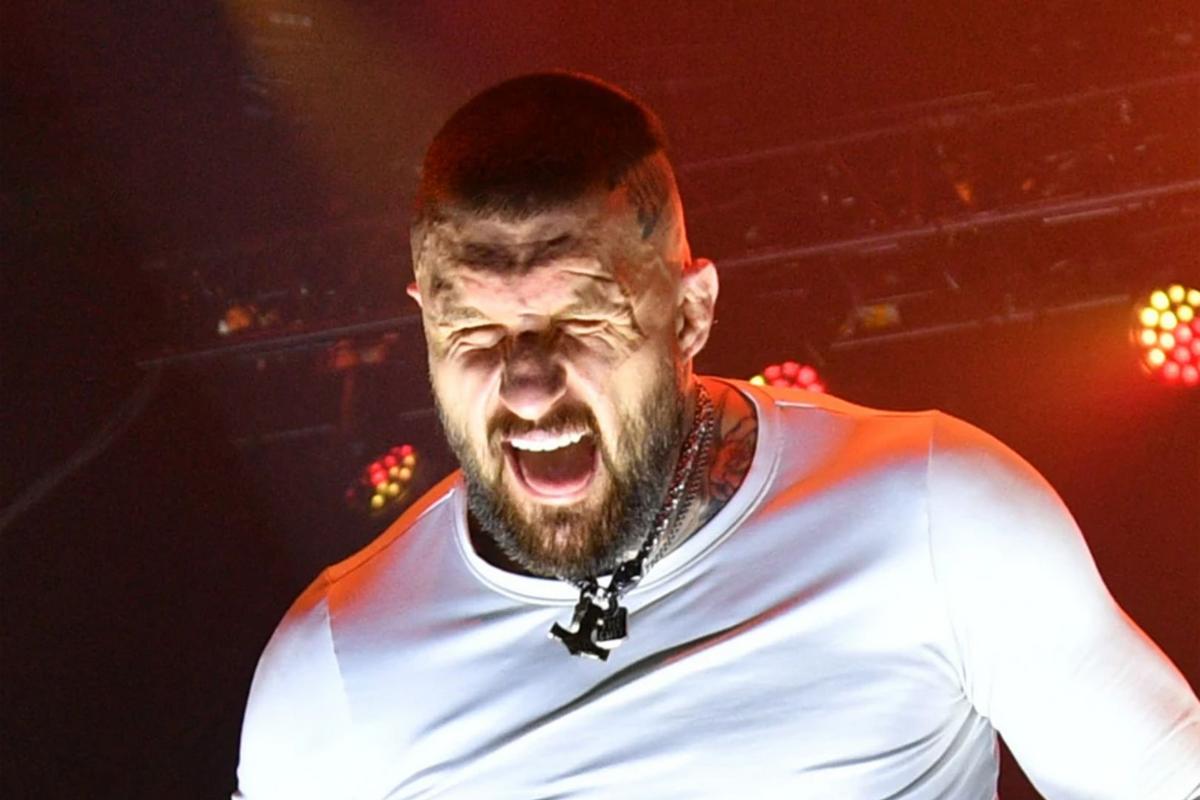
Twin Temple joins a growing list of bands that have had shows canceled due to Satanic accusations. While some artists, like Twin Temple, lean into the aesthetic, others find themselves fighting against labels they vehemently reject. When death metal band Slaughter to Prevail had shows in Turkey canceled earlier this year, vocalist Alex Terrible took to social media to clarify his stance: “Turkey’s people, I love you and respect your country and your religious views. But don’t call me Satanic.”
A History of Censorship and Controversy
The phenomenon of banning bands over perceived occult connections is not new. Throughout the decades, various groups have faced institutional and social pressure that resulted in canceled performances.
Behemoth
Frontman Nergal has faced multiple blasphemy charges in his home country of Poland. Despite his ability to beat these legal challenges, the band has faced significant hurdles internationally. In February 2026, the Turkish government pulled the plug on two shows featuring Behemoth and Slaughter to Prevail, citing pressure from religious groups who characterized their art as “Satanic propaganda.”
Black Sabbath
Even the pioneers of heavy metal were not immune. Tony Iommi once noted that while Black Sabbath toyed with occult themes, it was born of curiosity rather than devotion. Nevertheless, the band faced local bans, including one instance where a church successfully lobbied to shut down a show before it even began.
Iron Maiden
In 1992, Iron Maiden faced a period where venues in Chile refused to book them under pressure from religious organizations. It took years for the band to return to the country, highlighting how persistent these moral panics can be for touring acts.
Marilyn Manson
During a 2014 tour of Russia, Marilyn Manson faced intense opposition from the Russian Orthodox social movement known as God’s Will. The group pressured authorities to stop the shows, claiming Manson promoted “religious hatred” and “Satanism.” Ultimately, a bomb threat at a Moscow venue forced the cancellation of the performance.
Rotting Christ and Sepultura
Greek black metal band Rotting Christ saw a 2019 show in Patras canceled due to objections from a local monastery, while Sepultura faced a similar fate in Lebanon the same year. In the case of Sepultura, management was forced to issue a statement clarifying that the band members are not Satanists, but rather artists who criticize political and social injustices.
As these instances demonstrate, the intersection of music, religion, and censorship remains a volatile space. Whether the accusations are based on genuine artistic themes or misunderstandings, the impact on the touring industry remains a significant challenge for artists worldwide.