
The Reality of the Metal Mainstream Disconnect
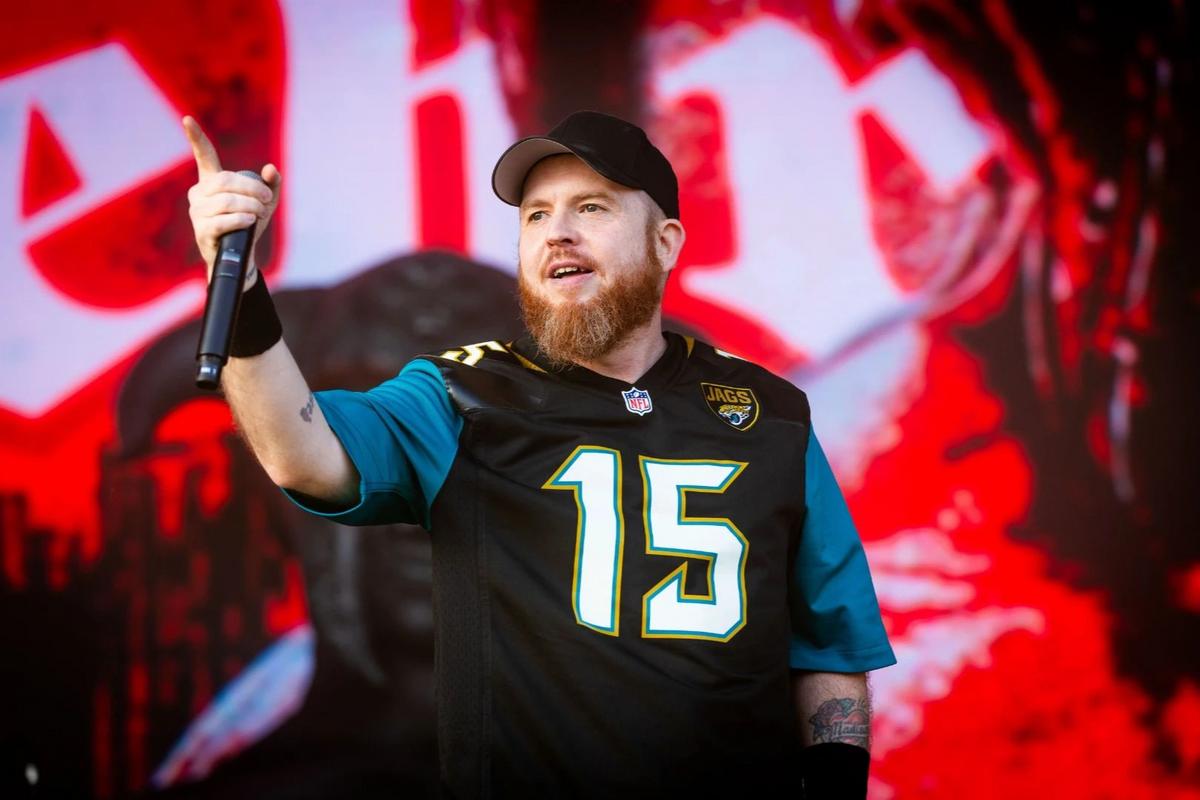
Hatebreed frontman Jamey Jasta has long been a vocal advocate for the heavy music community. In a recent conversation with Full Metal Jackie, the singer addressed the persistent disconnect between the massive, dedicated audience for metal music and the way the genre is often sidelined or misrepresented by mainstream media and industry algorithms. Jasta argues that the influence of metal is frequently underestimated, despite evidence that metal artists often draw larger crowds than many top-tier streaming acts.
“We see metal artists are drawing bigger than some of the top streaming artists, and then you find out about the bots and how everything’s rigged,” Jasta explained. He pointed to a historical pattern of censorship, noting that in the post-9/11 era, bands like Slipknot and Slayer faced significant hurdles because their music was perceived as empowering—a quality he suggests is often viewed as a threat by a “small elite few” in the industry.
Creative Freedom and the ‘Fatal Paradox’
The discussion also touched upon the band’s latest record, Fatal Paradox. Jasta emphasized that the album was born from a desire for total creative autonomy. By maintaining control throughout the recording process and shopping the finished product to labels afterward, the band was able to ensure that every track met their high standards. This approach allowed them to avoid the typical pressures of label-mandated singles and budget negotiations.
“We were confident in all of them,” Jasta said of the tracks on the new record. “It’s not to be cocky, it was just that we were happy with the way pretty much every song came out.” This confidence has translated into a strong response from fans, particularly regarding the video for “The Carrion Choir,” which has seen significant engagement despite the challenges posed by platform censorship.
Challenging Passive Behavior
Beyond the music, Jasta is focused on encouraging his listeners to take an active role in their own lives. He views the themes within Fatal Paradox as a call to action against the passive consumption of media and societal norms. He believes that by pushing positive, message-driven songs, the metal community can continue to thrive and challenge the status quo.
“It all starts with yourself just trying to be better than yesterday,” Jasta noted. Whether it is through personal growth or supporting artists who create music with substance, Jasta remains committed to the idea that the metal community can overcome the arbitrary rules of the mainstream. As he continues to tour and connect with fans, his message remains clear: the power of the music lies in its ability to inspire, and that is something no algorithm can truly suppress.