
Throughout the history of rock and metal, musicians have frequently looked beyond the studio to find inspiration. While collaborations between artists are common, some of the most impactful moments in music history occur when bands incorporate audio samples from politicians, scientists, and civil rights leaders. These rock and metal songs that feature samples from famous speeches serve as a testament to the genre’s ability to blend artistry with social commentary.
The practice of sampling historical figures allows artists to ground their music in reality, providing a weight and context that elevates the listening experience. Whether the goal is to highlight political hypocrisy, advocate for justice, or simply add a layer of gravitas to an instrumental track, these snippets often become the defining feature of the song.
Historical Context in Modern Music
From the iconic “Cult of Personality” by Living Colour, which weaves together the voices of Malcolm X, John F. Kennedy, and Franklin D. Roosevelt, to the haunting inclusion of Martin Luther King Jr.’s sermons in Linkin Park‘s A Thousand Suns, these tracks bridge the gap between past and present. These samples do more than just fill space; they challenge the listener to consider the broader implications of the lyrics and the historical events being referenced.
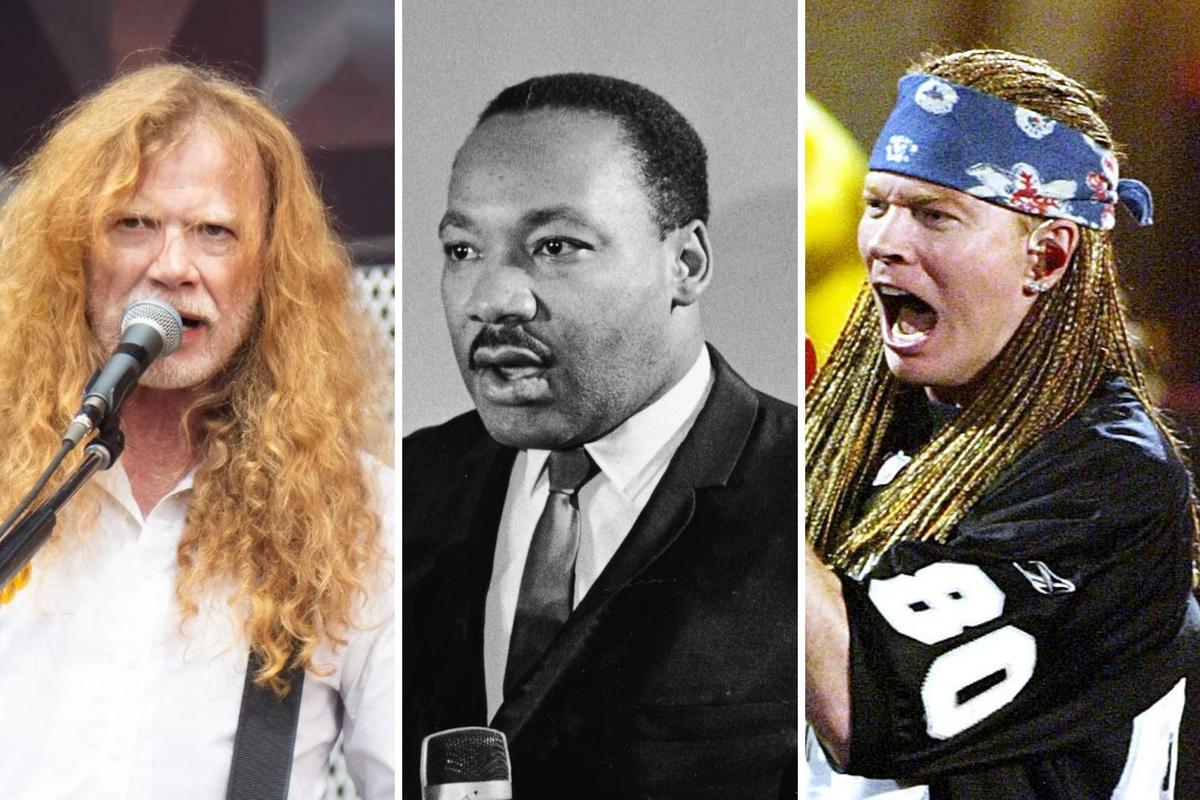
In some instances, such as with Megadeth‘s “Countdown to Extinction” or Guns N’ Roses‘ “Madagascar,” the use of spoken word creates a cinematic atmosphere. Even when the source material isn’t a traditional speech—such as the interview with Marine Staff Sergeant Jimmy Massey featured in Lamb of God‘s “Ashes of the Wake”—the effect remains the same: it forces the audience to confront uncomfortable truths.
The Power of the Spoken Word
The inclusion of these samples often transforms a standard track into a historical document. For example, Muse utilized a John F. Kennedy address in their track “[JFK]” to underscore themes of conspiracy and control, while Iron Maiden has famously used Winston Churchill’s “We Shall Fight Them on the Beaches” to set the stage for their live performances. These moments are not merely aesthetic choices; they are deliberate attempts to align the band’s message with the enduring power of history’s most significant voices.